

-
About UsJiangsu Xinqisheng Precision Sheet Metal Co., Ltd. is a rising star in the field of sheet metal manufacturing, standing out in the industry with its refined processes, advanced technology, and relentless innovation.

-
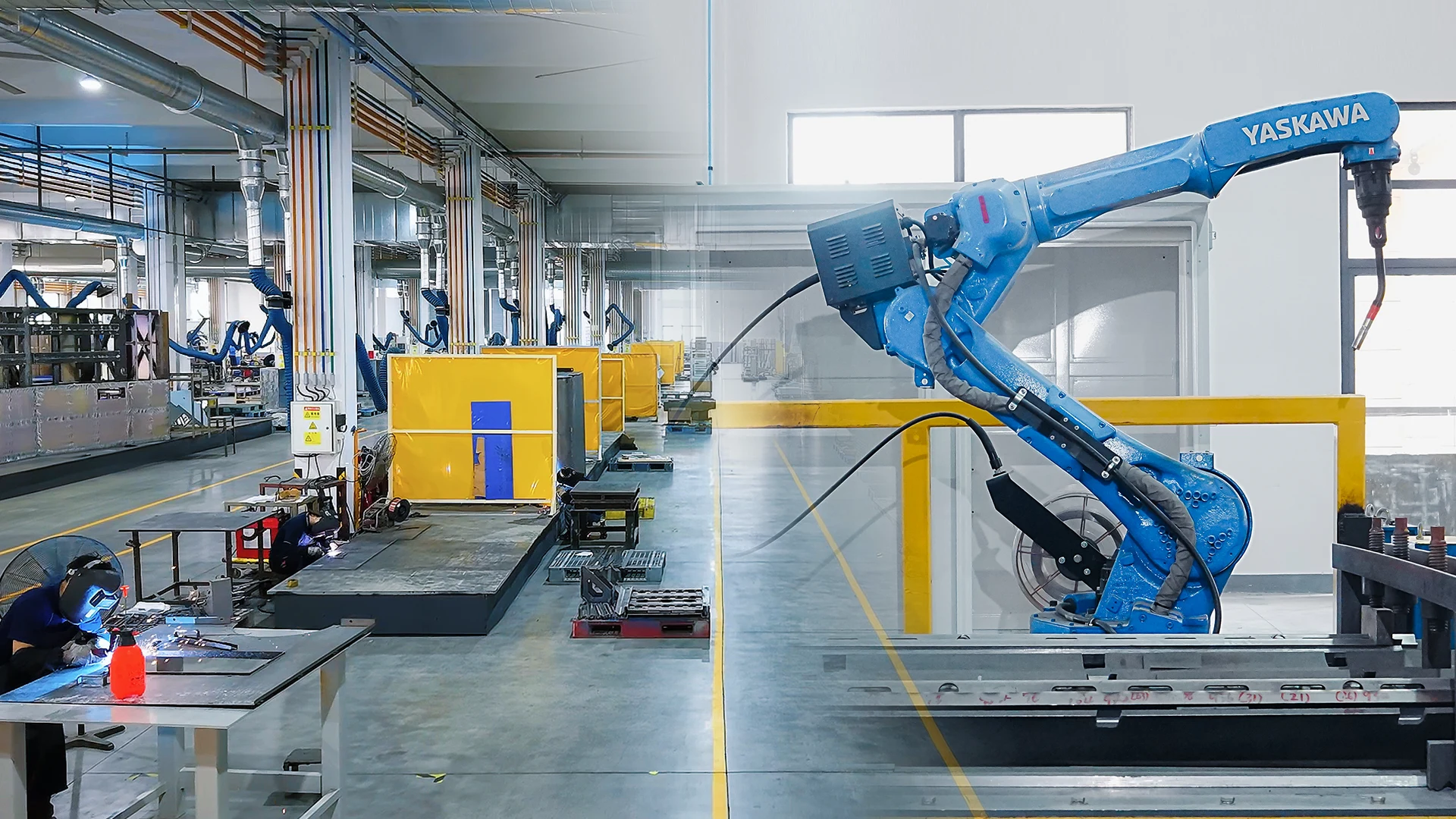
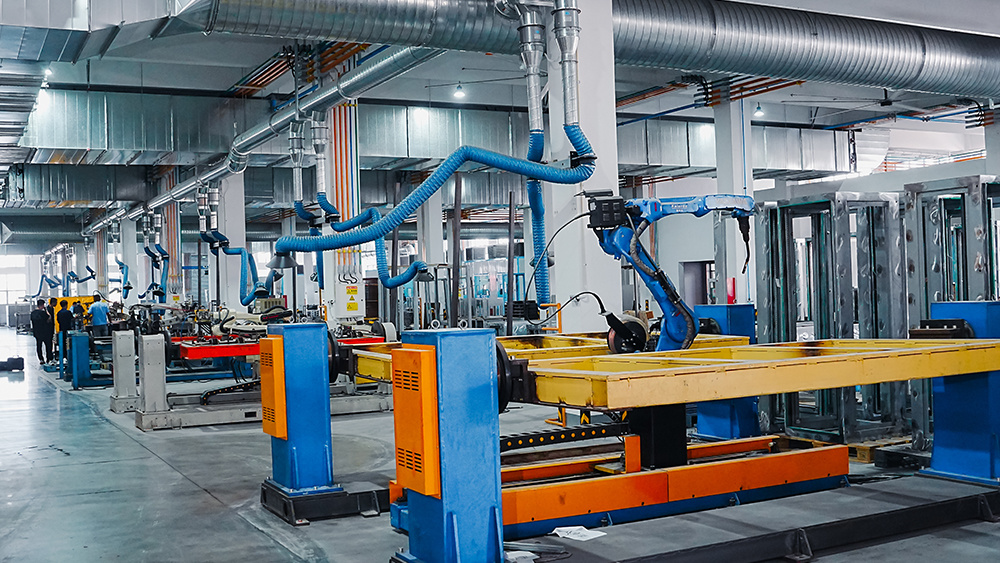
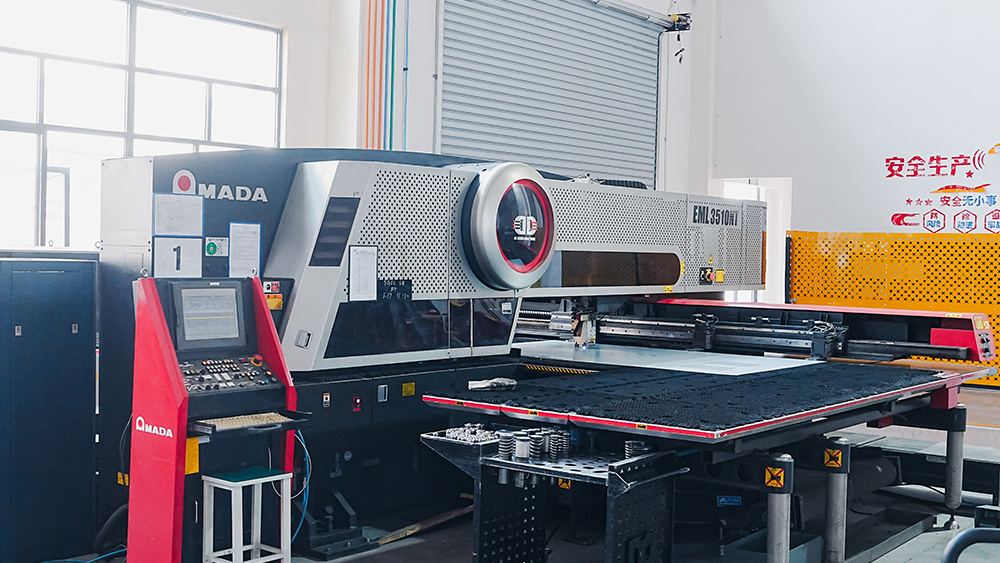
Manufacturing CapacityThe company relies on intelligent manufacturing equipment and comprehensive technical capabilities to continuously provide core component solutions for national strategic industries such as nuclear power, high-speed rail, semiconductors, and new energy.
-
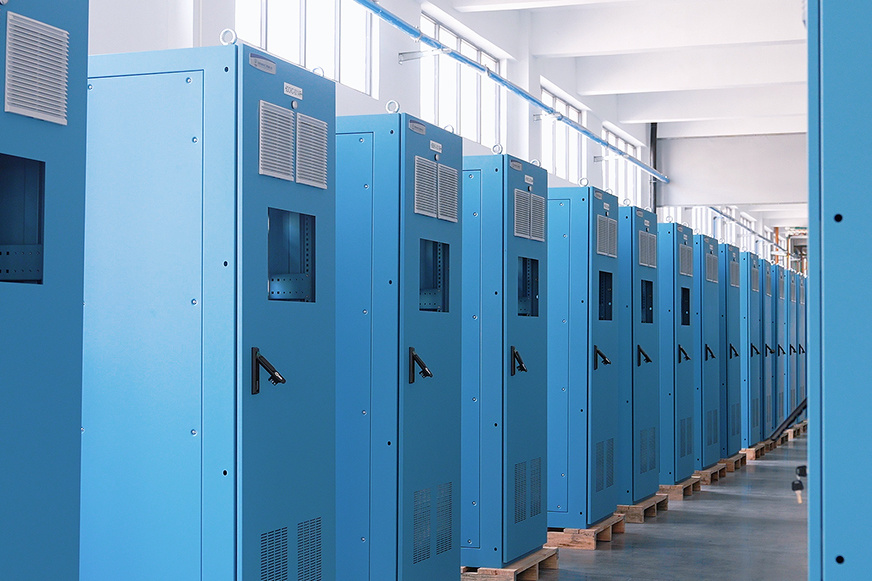
ProductsJiangsu Xinqisheng Precision Sheet Metal Co., Ltd. is founded on over twenty years of industry experience and guided by the corporate spirit of "professionalism, focus, pragmatism, and innovation," deeply cultivating the sheet metal manufacturing field.
-
-


Common Issues and Solutions in Sheet Metal Bending Processing
Category:
News
Author:
Source:
Published:
2025/09/05
Summary:
During sheet metal bending processes, various issues frequently arise. Understanding these common problems and their corresponding solutions can provide remedies for subsequent bending challenges, thereby achieving rapid and efficient production.
Common Issues and Solutions in Sheet Metal Bending Processing
During sheet metal bending processes, various issues frequently arise. Understanding these common problems and their corresponding solutions can provide remedies for subsequent bending challenges, thereby achieving rapid and efficient production.
First, a. Issue: The workpiece deforms at the bend after bending.
b. Cause: The deformation primarily occurs due to the bending speed being too fast, while the hand fails to keep up with the workpiece's bending speed.
c. Solution: Reduce the bending speed and manually support the workpiece in sync with the bending process.
Second, a. Issue: When bending longer workpieces, the angles may vary with one end larger and the other smaller.
b. This situation generally arises due to the following circumstances:
(1). Inconsistent material thickness, with one end being thick and the other thin.
(2). Uneven mold wear, resulting in different heights at both ends.
(3). The spacer block is unbalanced and not on the same level.
c. Solution:
(1) Feedback to laser or NCT, and let them pay attention to material selection.
(2). Replace the die.
(3). Adjust the spacer block.
Third, a. Issue: During Z-bending, certain workpieces may deform.
b. Cause: This primarily occurs because the C section serves as the back gauge positioning point. When bending the B section, the workpiece's upward curling motion collides with and gets squeezed by the back gauge. After the bending is completed, the D section becomes deformed due to this compression.
c. Solution: Utilize the back gauge retraction function.
Fourth, a. Issue: The bending dimension is too small for accurate positioning, making it easy for the upper die to press against the back gauge.
b. Cause: Since t=0.8, following the lower die selection principle, v=5×0.8=4mm. The distance from the 4v center to the edge is 3.5mm, while the internal dimension of 2.9mm is 2.9-0.8=2.1mm. The bending dimension falls within the distance from the v centerline to the edge, making positioning impossible when installed normally. Attempting to invert the lower die results in the upper die pressing against the back gauge. Neither normal nor inverted installation works, necessitating alternative solutions.
c. Solution: ○1 The lower die can be installed inverted. Add a spacer (not exceeding 3t) in front of the back gauge to allow the back gauge to retreat, avoiding interference with the upper die. ○2 If the dimension at the other end is ≧3, positioning can also be achieved using the other end. Install the lower die inverted.
Keyword:
Xinqisheng
Precision Sheet Metal
Previous Page
Next Page
Related News

2025-09-05
Located in the Baoying Economic Development Zone, Jiangsu Xinqisheng Precision Sheet Metal Co., Ltd. is a private enterprise specializing in the manufacturing of high-end precision sheet metal. With over two decades of technological accumulation and innovative breakthroughs, the company has not only achieved a remarkable transformation from traditional processing to intelligent manufacturing, gradually building its own business empire, but also become a key supplier of customized high-end sheet metal services for industries such as nuclear power, medical, and rail transportation.
2025-09-05
Decisive Finale for the "14th Five-Year Plan": Counties Compete for Industrial Strength, New Quality Productive Forces Emerge in Hundreds of Enterprises
Xinqi Precision Sheet Metal: Leading the Sheet Metal Industry with Technological Innovation
2025-09-05
Jiangsu Xinqisheng Precision Sheet Metal Co., Ltd., located in the development zone, is a private enterprise specializing in the manufacturing of special corrosion-resistant sheet metal. Through profound expertise in sheet metal fabrication technology and over two decades of dedicate refinement, the company has evolved from traditional processing to high-end manufacturing.
What are the commonly used equipment for bending processing in sheet metal fabrication?
2025-09-05
Bending processing in sheet metal fabrication is a crucial part of the manufacturing process. The equipment and technology involved are vital to ensuring product quality and processing efficiency.
Jiangsu Xinqisheng Precision Sheet Metal Co., Ltd.

WeChat Work